If you’re thinking about selling in 2026, one of the first questions you’ll ask is:
“How much is my property actually worth?”
Online estimates can be helpful, but they often miss the full picture. Property value isn’t just a number — it’s influenced by the market, the condition of the home, and how buyers are actually behaving right now.
This guide breaks down how property value is really calculated in 2026, without confusing formulas or industry jargon.
1. Start With Recent Comparable Sales (Comps)
The most important factor in determining value is what similar properties nearby have sold for recently.
When looking at comps, focus on:
Homes sold within the last 3–6 months
Similar size and layout
Similar lot size
Same general area
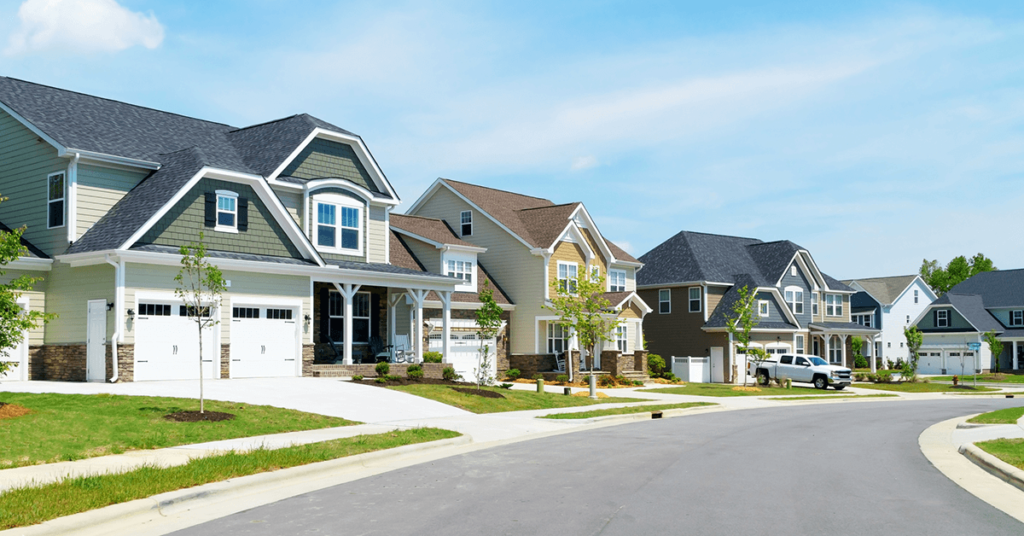
2. Adjust for Property Size and Layout
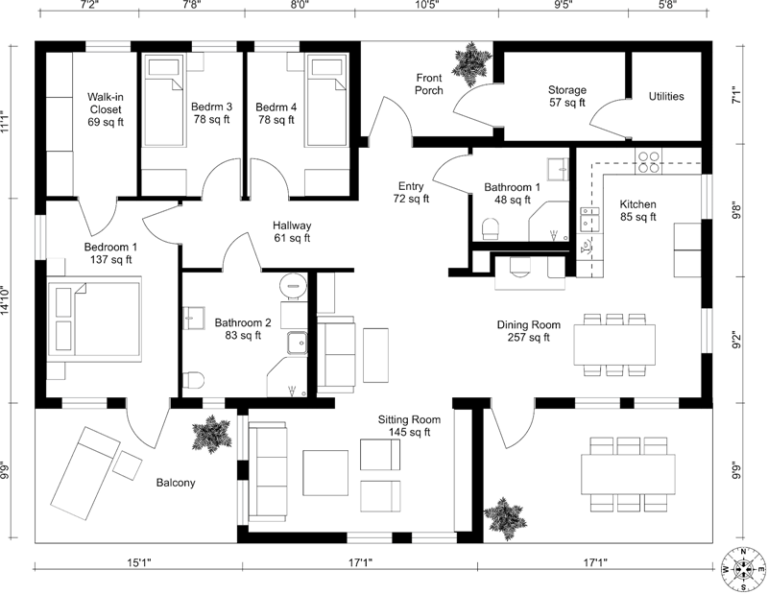
Square footage still matters in 2026, but layout matters almost just as much.
Buyers pay attention to:
Total usable space
Bedroom and bathroom count
Flow and functionality
A well-designed smaller home can outperform a larger but poorly laid-out one.
3. Factor in the Condition of the Property
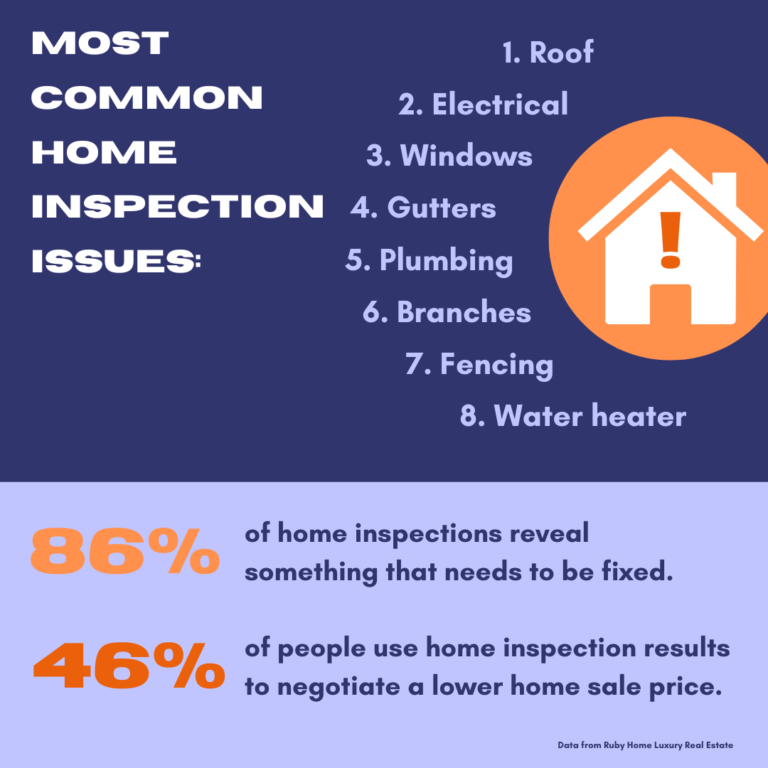
Condition has a direct impact on value. In 2026, buyers are careful and price repairs into their offers.
Things buyers notice immediately:
Roof, plumbing, electrical
Foundation or structural issues
Outdated kitchens or bathrooms
Homes needing work usually sell for less — unless priced correctly.
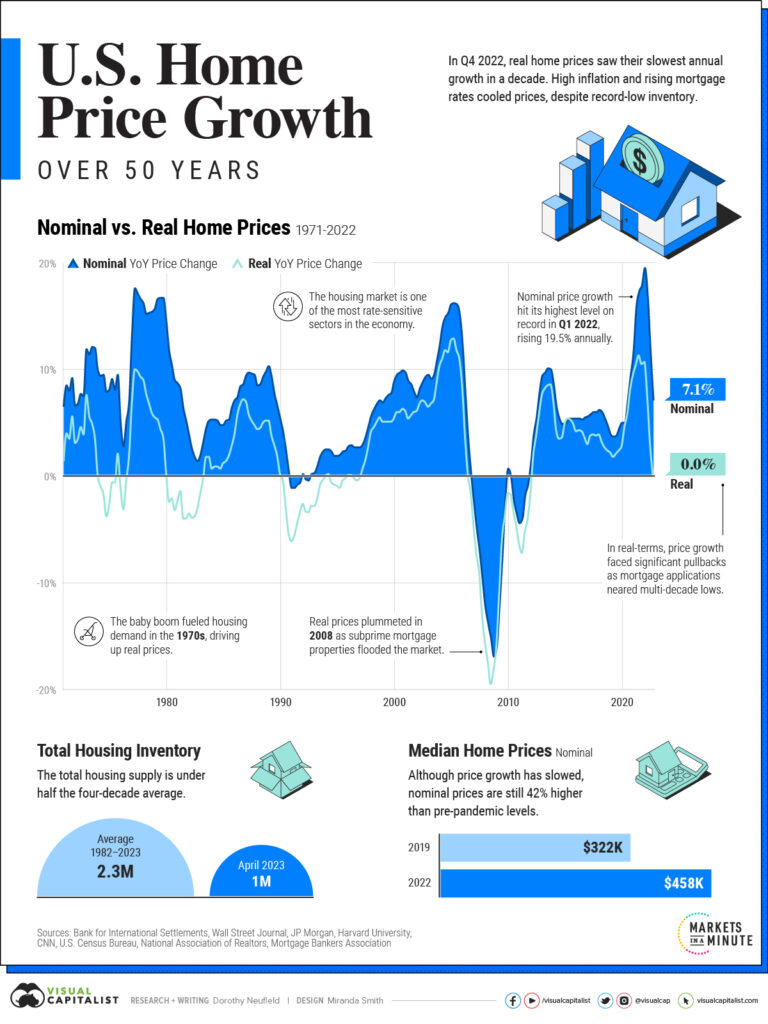
4. Understand How the 2026 Market Affects Value
Market conditions play a huge role in pricing.
Key factors include:
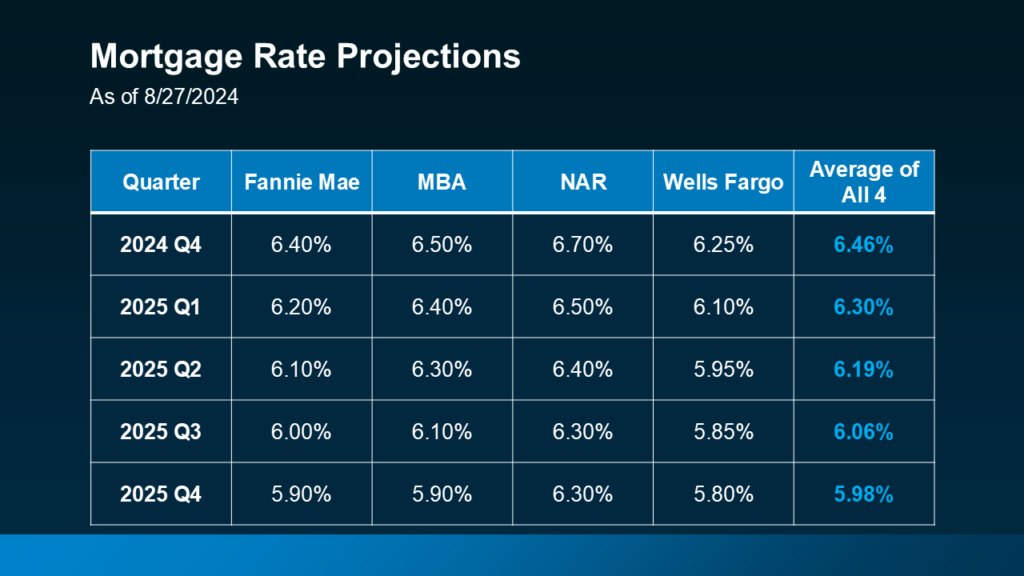
Interest rates
Buyer demand
Inventory levels
In higher-rate environments, buyers become more selective, which directly affects offers.
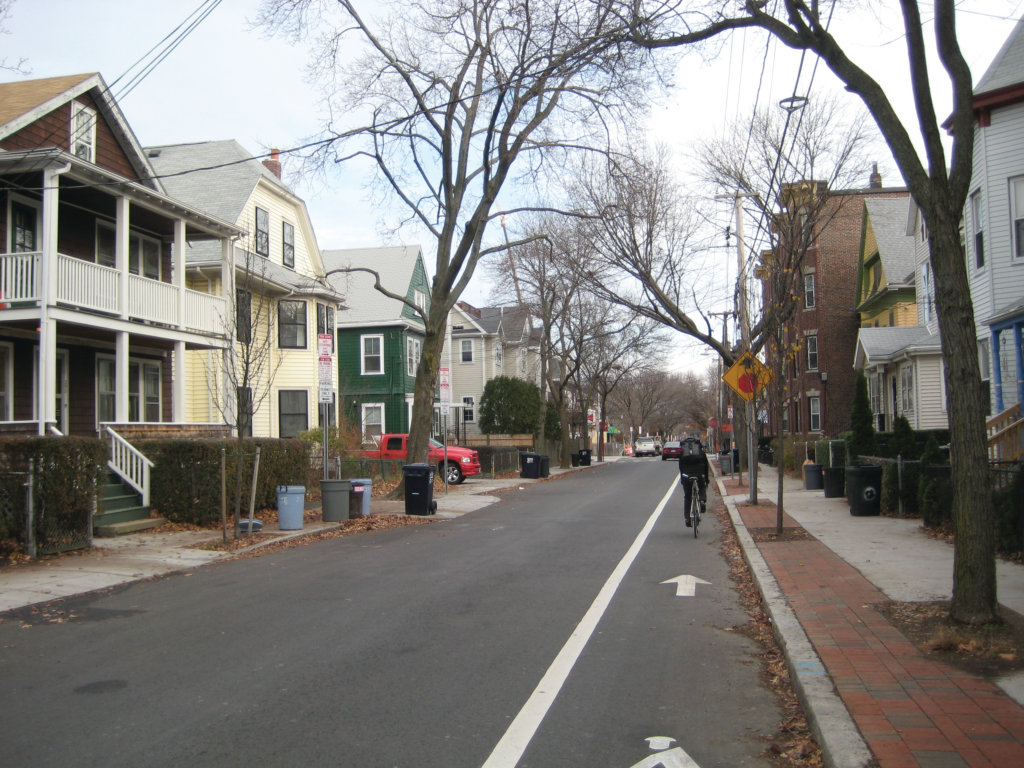
5. Location Still Matters (But Differently Now)
Location isn’t just about the zip code anymore.
Buyers also consider:
Neighborhood stability
Nearby schools, shopping, and transit
Long-term growth potential
Two homes close together can still have very different values.
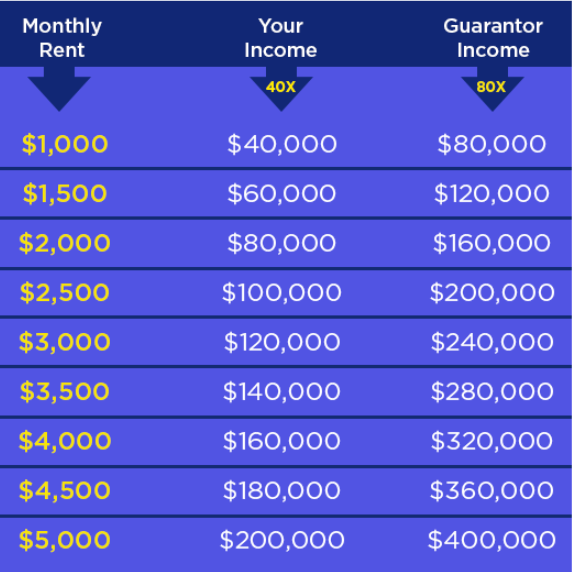
6. Look at Rental Value (Even If You’re Selling)
Many buyers in 2026 are investors or future landlords.
Rental value impacts:
Demand for the property
Willingness to pay
Long-term value
Even homeowners should understand how their property performs as a rental.
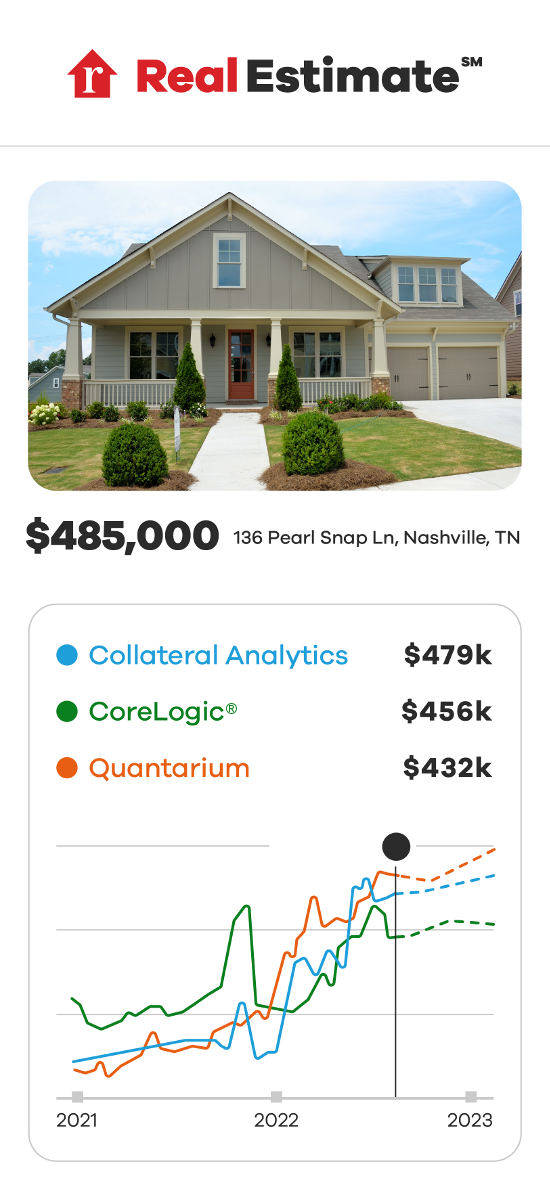
7. Online Estimates: Helpful, But Not Perfect
Automated estimates can be a starting point, but they often:
Ignore property condition
Miss recent market changes
Overestimate or underestimate value
Use them as a reference — not a final number.
8. What Buyers Actually Pay vs. “Market Value”
There’s a difference between estimated value and what buyers will actually offer.
Buyers factor in:
Risk
Repair costs
Time and financing
That’s why offers can vary widely.
9. The Fastest Way to Get an Accurate Property Value
The most accurate value comes from:
Recent sales data
Market conditions
Property condition
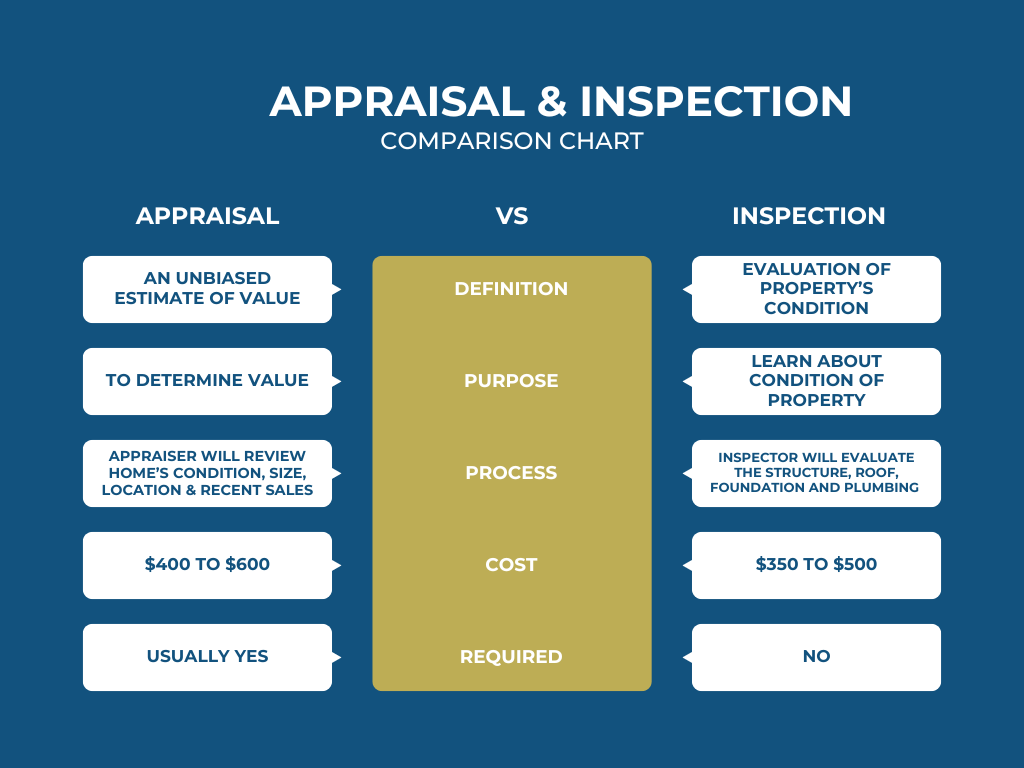
This can come from a professional appraisal or an experienced buyer who understands today’s market.
Want a Real, No-Nonsense Property Value?
At Atom Property Group, we provide honest, no-obligation property evaluations based on real market data — not automated guesses.