

What Exactly Is Foreclosure?
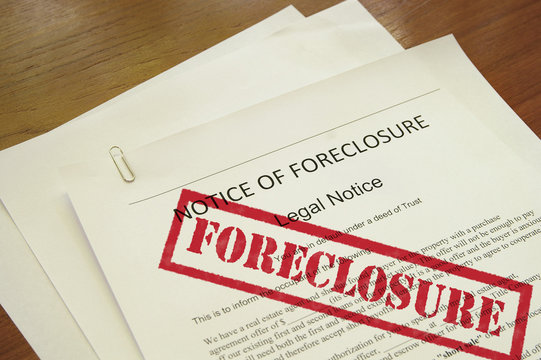
Foreclosure is the legal process your lender starts when you’ve fallen too far behind on mortgage payments. It feels overwhelming, but the important thing to understand is that it doesn’t happen instantly. You still have time to take action.
The earlier you explore your options, the more control you keep — and the easier it becomes to protect your credit, your equity, and your peace of mind.
Your Real Options to Stop or Avoid Foreclosure
1. Reinstate the Loan (Catch Up on Payments)
If you’ve only missed a few payments, reinstating the loan is the fastest way to stop foreclosure. This simply means paying the past-due amount — plus any late fees — to bring the loan back to good standing.
Best for:
Temporary financial setbacks
Being only 1–3 payments behind
2. Apply for a Loan Modification
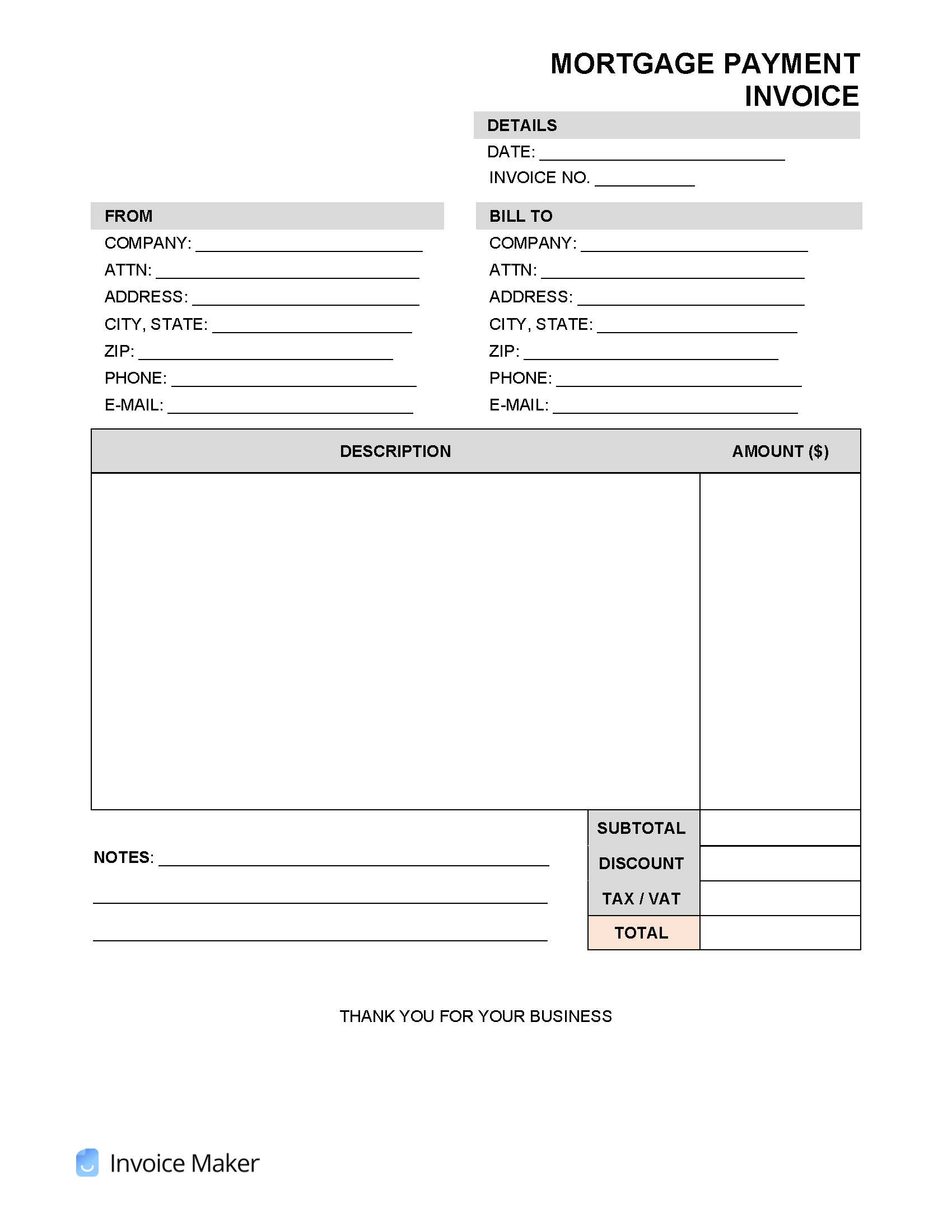
A loan modification adjusts the terms of your existing mortgage so the payment becomes more affordable. Depending on your situation, your lender may:
Reduce your interest rate
Extend the length of your loan
Move missed payments to the end of the loan
Best for:
Permanent changes in income
Wanting to stay in the home long-term

3. Request a Forbearance
If your hardship is temporary, a forbearance can pause or reduce your monthly mortgage payments. This gives you breathing room while you recover financially.
Once the forbearance period ends, you and your lender will discuss how to repay the paused amount.
4. Set Up a Repayment Plan
A repayment plan allows you to spread out missed payments over several months. Your lender simply adds a portion of what you owe to future mortgage payments until you’re caught up.
Works best when:
Your income is stable again
You can handle a slight increase in monthly payments

5. Sell Your Home Before Foreclosure
Selling the home is one of the fastest ways to stop foreclosure, protect your credit, and walk away with cash — especially if time is running out.
Option A: List with a Real Estate Agent
You may get top dollar, but it can take time and often requires repairs, showings, and inspections.
Option B: Sell to a Cash Buyer (Fastest & Easiest)
Cash buyers purchase homes as-is, with no repairs, no fees, and can close in days.
This is ideal when you want a quick, stress-free way out.

6. Do a Short Sale
If the home is worth less than the mortgage balance, a short sale might be an option. Your lender agrees to let you sell the home for less than what you owe.
Why homeowners choose this:
It avoids a full foreclosure on your credit and allows you to move on more cleanly.
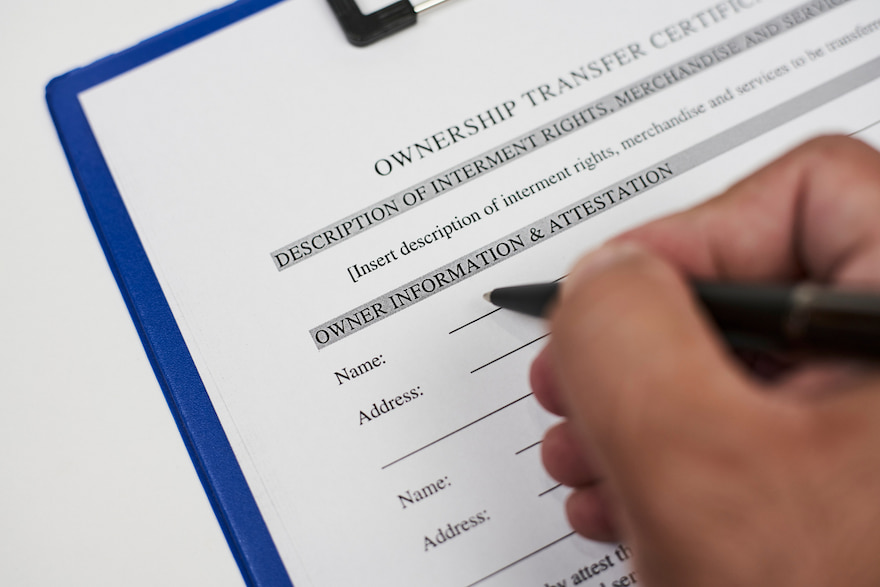
7. Deed in Lieu of Foreclosure
A deed in lieu allows you to give ownership of the property back to the lender. You don’t make any money from the home, but you avoid the full impact of a foreclosure on your credit.
This is usually considered a last-resort option if other solutions won’t work.
What NOT to Do When Facing Foreclosure
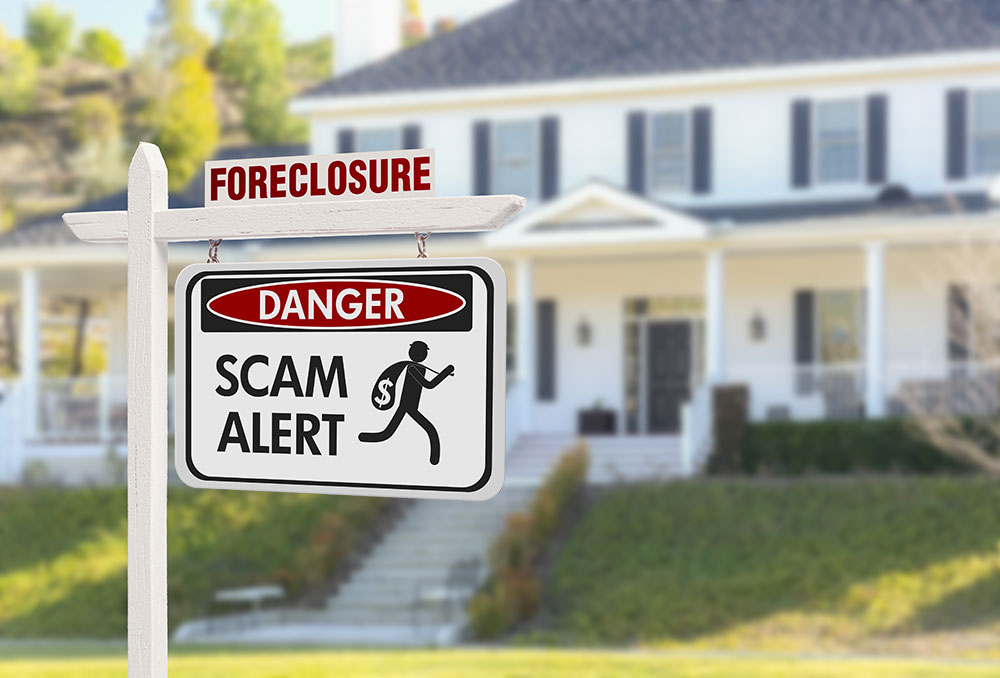
Avoid these common mistakes that make things worse:
Ignoring the lender
Falling for “foreclosure rescue” scams
Waiting until the auction date to act
Taking out high-interest loans to catch up
Taking action early gives you far more control.
How These Options Affect Your Credit
Loan modification: Small temporary dip
Forbearance: Minimal long-term impact
Short sale: Moderate hit
Foreclosure: Serious impact lasting up to 7 years
Selling before foreclosure: Helps protect your credit completely
Need to Stop Foreclosure Fast?
Atom Property Group, we help homeowners avoid foreclosure by offering fast, fair cash offers for homes in any condition.
No repairs
No fees
No commissions
Close in days
If you’re running out of time, or just want a clean way out, we’re here to help.